
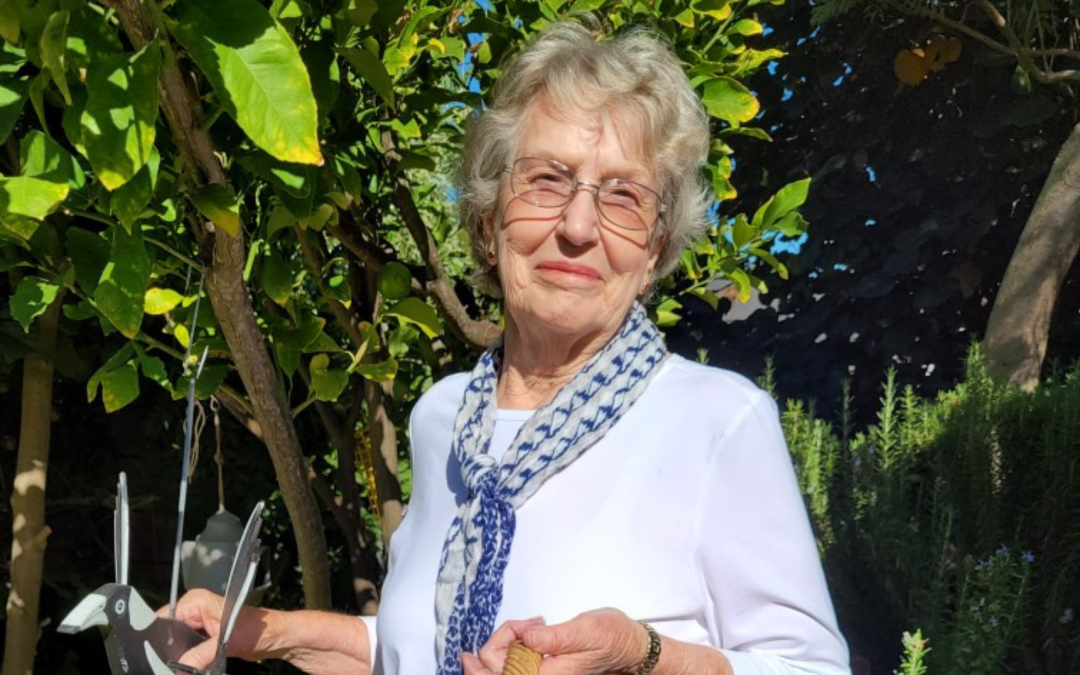
Some people shape their communities quietly but profoundly, leaving behind a legacy that continues long after they are gone. Shirley Grace Thorn (nee Buegge) was one of those people.
Shirley was widely respected across regional Western Australia as a leader, advocate and tireless champion for rural people. Based in Bruce Rock, she combined strong business acumen with an unwavering commitment to rural welfare, agriculture and regional development. Her work spanned local, regional and state levels, always focused on strengthening opportunities for people living and working outside metropolitan areas.
Her leadership was recognised early when, in 1994, Shirley was named Rural Achiever of the Year, an acknowledgement of both her practical achievements and her dedication to improving outcomes for rural communities. This recognition reflected the way she approached leadership, grounded, hands on and deeply connected to the realities of regional life.
In 1998, Shirley’s expertise and reputation led to her appointment to a Ministerial advisory panel tasked with recommending government assistance for regional businesses. At the time, she was publicly described as a successful businesswoman, a rural welfare campaigner and a respected community leader. Her drive, enthusiasm and business management skills were seen as a significant asset to regional development, and she quickly earned the respect of colleagues working at a state policy level.
Shirley’s contribution to governance continued into the early 2000s. In 2001, she was appointed as a member of the Country Housing Authority, where she played a role in shaping housing policy and oversight at a time when rural housing access and sustainability were critical issues for regional towns across Western Australia. It was another example of her ability to bring real world regional experience into decision making rooms where it truly mattered.
Alongside this work, Shirley also advocated for practical housing solutions in the country, including campaigning for housing grants for single men so they could establish themselves locally and build a family. It was an issue she understood firsthand: secure housing underpins stable towns, strong workforces and thriving regional communities.
Shirley also played a major part in the Royal Agricultural Society of Western Australia (RASWA), overseeing the transition of the Miss Showgirl program to what became the Rural Ambassador Program. In agriculture, she pushed against significant discouragement to help introduce and build the canola and legume industries in Western Australia, always focused on creating new opportunities and long-term resilience for farming families.
Beyond her formal appointments, Shirley’s life of service was deeply documented through public records, interviews, parliamentary contributions and extensive personal material preserved by her family. This includes speeches, written reflections, interviews and historical documents that together tell the story of a woman whose influence extended across agriculture, education, regional leadership and community advocacy over many years. These records reflect not only the scope of Shirley’s work, but also the respect she earned across multiple sectors and generations.
In 2005, Shirley’s long-standing service was recognised nationally when she was appointed a Member of the Order of Australia (AM) for her service to the agriculture industry. The honour placed her among a group of Western Australians from the mid-west and wheatbelt whose contributions had strengthened rural industries, regional economies and community life.
What stands out in Shirley’s story is not just the number of roles she held, but the consistency of her values. Whether working with government, advising on policy, supporting agriculture or advocating for rural wellbeing, she remained focused on practical outcomes, fairness and the long-term sustainability of regional communities. She brought credibility, integrity and lived experience into every space she occupied.
Following Shirley’s passing, her legacy has been formally recognised through a nomination for inclusion on the WA Women’s Hall of Fame’s Honour Roll, a fitting acknowledgment of a life dedicated to service. While the Roll of Honour is highly competitive, the nomination itself reflects the depth of respect Shirley earned across communities, organisations and government.
For those who knew her personally, Shirley will be remembered for her warmth, determination and capacity to get things done. She was humble about her achievements, proud of her family and her work, and an example to many women of what they could accomplish with persistence, integrity and a clear sense of purpose.
Shirley Thorn’s story is one of service rooted in place, and a reminder that strong regions are built by people who care deeply about their communities and are willing to step forward, time and again, to make a difference.